Eco-Conscious Luxury: The Rise of Sustainable Villas in Tropical Destinations
Luxury travel is evolving. While opulent settings and extraordinary experiences remain top priorities, today’s discerning travelers are also seeking ways to minimize their environmental impact. This growing demand has given rise to a new class of accommodations: sustainable luxury villas, especially in lush tropical destinations. These exceptional properties blend indulgence with responsibility, offering travelers the chance to enjoy unforgettable escapes without compromising the planet’s wellbeing.
The Shift Towards Sustainable Luxury Travel
The global luxury travel market was valued at over $1.2 trillion in 2023, and sustainability is rapidly becoming a key differentiator. According to Booking.com’s 2023 Sustainable Travel Report, 76% of global travelers say they want to travel more sustainably in the coming year, and 43% are willing to pay extra for eco-friendly accommodations. This shift in mindset is particularly evident among younger travelers: nearly 70% of Gen Z and Millennials prefer brands that prioritize environmental responsibility.
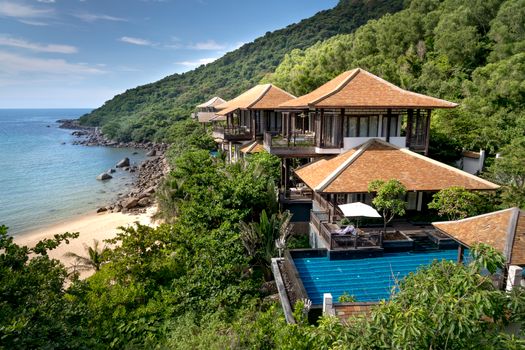
Luxury villa owners and operators in tropical regions — from Bali to the Caribbean to the Seychelles — are responding to this demand by integrating green technologies, local materials, and eco-friendly practices into their properties. The result: sustainable villas that offer all the lavish comforts and privacy of a traditional luxury stay, but with a much lighter footprint.
.png)
What Defines a Sustainable Luxury Villa?
A sustainable luxury villa goes beyond basic recycling bins and towel reuse cards. These properties are thoughtfully designed and operated to minimize water and energy waste, support local communities, and protect fragile ecosystems. Here are some defining features:
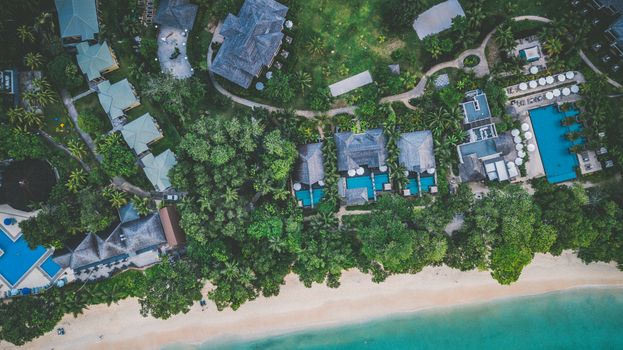
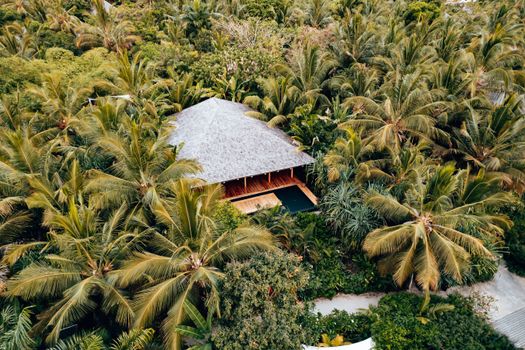
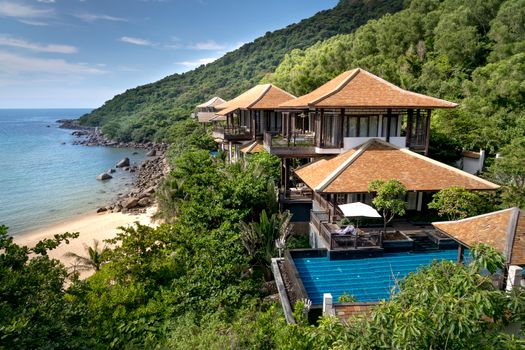
- $1: Many sustainable villas use locally sourced, renewable materials such as bamboo, reclaimed wood, or stone. Designs often incorporate passive cooling, natural ventilation, and green roofs to reduce energy needs. - $1: Solar panels, wind turbines, and geothermal systems are increasingly common, providing clean energy for everything from air conditioning to heated infinity pools. - $1: Rainwater harvesting, greywater recycling, and low-flow fixtures help reduce consumption. In water-scarce tropical locations, this is especially crucial. - $1: Composting, recycling, and minimal use of single-use plastics are standard practices. - $1: Furnishings, food, and amenities are often sourced from nearby artisans, farmers, and producers, supporting the regional economy and reducing transportation emissions. - $1: Landscaping with native plants, wildlife corridors, and on-site conservation programs help preserve the surrounding environment.A perfect example is the Song Saa Private Island in Cambodia, where over 70% of the island is protected as a nature reserve, and villas are built from reclaimed timber and driftwood. Another is The Brando in French Polynesia, which is powered by solar energy and coconut oil, and uses seawater air-conditioning.
Sustainable Luxury Villas: Destinations Leading the Way
Tropical regions are at the forefront of the sustainable luxury villa movement, thanks to their delicate ecosystems and the growing impact of tourism. Here are three top destinations where eco-consciousness is redefining the villa experience:
1. $1 Bali has become a model for green luxury, with standout villas like Bambu Indah, which uses bamboo and reclaimed teak, natural pools, and organic gardens. The island is also home to the Green School, influencing villa designs that foster harmony with nature. 2. $1 With over 25% of its land protected, Costa Rica is a pioneer in sustainable travel. Villas such as Latitude 10 in Santa Teresa are constructed from fallen hardwoods and feature solar water heaters, rainwater collection, and organic toiletries. 3. $1 The Maldives faces unique environmental challenges due to rising sea levels. Resorts like Soneva Fushi lead by example with solar power, water bottling plants to eliminate plastic, and coral restoration projects.Comparing Traditional vs. Sustainable Luxury Villas
As travelers weigh their options, it’s helpful to see how sustainable villas stack up against traditional luxury properties. The table below highlights key differences:
| Feature | Traditional Luxury Villa | Sustainable Luxury Villa |
|---|---|---|
| Construction Materials | Imported marble, exotic woods, non-renewable materials | Locally sourced stone, bamboo, recycled or reclaimed materials |
| Energy Source | Grid electricity, diesel generators | Solar panels, wind turbines, geothermal systems |
| Water Usage | High consumption, municipal or desalinated water | Rainwater harvesting, greywater recycling, low-flow fixtures |
| Waste Management | Standard trash collection, single-use plastics | Composting, extensive recycling, minimal plastics |
| Local Community Benefit | Imported staff and goods | Local employment, sourcing local products, cultural experiences |
Experiences That Blend Luxury and Sustainability
Staying in a sustainable villa doesn’t mean sacrificing comfort or exclusivity. In fact, many eco-luxe properties offer experiences that are both indulgent and environmentally responsible. Some examples include:
- $1: Villas often have on-site organic gardens, offering guests fresh, hyper-local cuisine. For instance, at Nihi Sumba in Indonesia, guests can pick their own ingredients for a private chef experience. - $1: Yoga decks overlooking rainforest canopies, eco-spa treatments using local botanicals, and open-air pavilions designed for meditation are common features. - $1: Guided nature walks, turtle conservation programs, and snorkeling in protected reefs allow guests to connect with local flora and fauna while supporting conservation. - $1: Many sustainable villas employ local artisans for architecture and décor, and offer classes in traditional cooking, crafts, or music.According to a 2022 Virtuoso Luxe Report, 82% of luxury travelers now seek experiences that provide a sense of purpose, indicating that these immersive, responsible offerings are not just a trend but a new standard for high-end travel.
How to Choose the Right Sustainable Villa for Your Escape
With the growing number of eco-luxe options, choosing the right sustainable villa can feel overwhelming. Here are some tips to ensure your tropical escape aligns with your values:
- $1: Reputable eco-labels like Green Globe, EarthCheck, or LEED indicate robust sustainability standards. - $1: Check if the property uses renewable energy, supports local communities, and actively conserves natural resources. - $1: Villas that employ local staff, source local products, and contribute to regional development have a more positive impact. - $1: First-hand accounts can provide insight into whether a villa’s sustainability claims are authentic or just greenwashing. - $1: Proximity to protected areas, nature reserves, or eco-attractions enhances the experience and supports conservation.Remember, a truly sustainable villa will make environmental and social responsibility a seamless part of your luxury experience, not an afterthought.
The Future of Sustainable Luxury Villas in Tropical Escapes
As climate change and overtourism threaten many of the world’s most beautiful tropical destinations, sustainable luxury villas are leading the way in responsible hospitality. With advances in green technology, increased transparency, and growing consumer demand, the future of luxury travel is both green and glamorous.
By choosing a sustainable villa, travelers support not only their personal comfort and enjoyment, but also the preservation of fragile ecosystems and the prosperity of local communities. With over 1.4 billion international tourist arrivals recorded in 2019, even small shifts toward sustainability can have a meaningful impact.
Whether you’re drawn to the rainforests of Costa Rica, the reefs of the Maldives, or the rice terraces of Bali, a growing selection of eco-chic villas ensures you can indulge in a breathtaking tropical escape — while leaving a legacy of care and stewardship for generations to come.