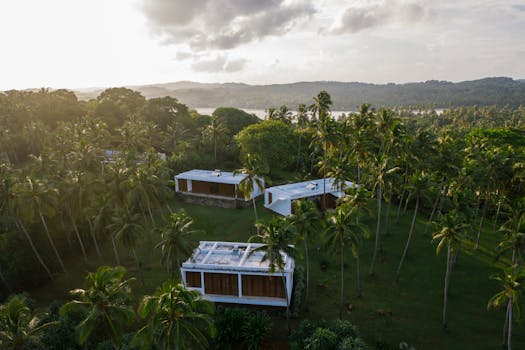
The Rise of Eco-Luxury Villas: Sustainable Sophistication in Tropical Paradises
Luxury travel has entered a new era, where the demand for exquisite experiences is matched by an increasing concern for the environment. In 2024, discerning travelers are no longer satisfied with opulence alone—they seek accommodations that reflect their values, especially when it comes to sustainability. The rise of eco-luxury villas in tropical destinations marks a significant shift in the way we define indulgence, blending sophisticated design, responsible practices, and unforgettable natural settings. This article explores the growing phenomenon of eco-luxury villas, the innovative features that set them apart, and how they are shaping the future of high-end travel.
What Defines an Eco-Luxury Villa?
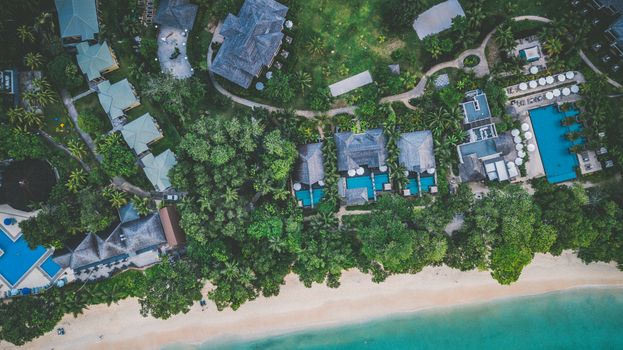
Eco-luxury villas are a new breed of accommodation that combine the highest standards of comfort, privacy, and aesthetics with a commitment to environmental stewardship. Unlike traditional luxury properties, these villas are designed and operated with sustainability at their core, without compromising on the lavish amenities that guests expect.
Key characteristics include:
- Use of locally sourced, renewable building materials such as bamboo, reclaimed wood, and natural stone. - Energy efficiency measures like solar panels, geothermal heating, and smart home systems. - Water conservation through rainwater harvesting, greywater recycling, and low-flow fixtures. - Waste reduction, including on-site composting and elimination of single-use plastics. - Integration with the surrounding landscape, minimizing disruption to local flora and fauna.According to a 2023 report by the Global Sustainable Tourism Council, over 68% of luxury travelers now consider eco-friendly practices an important factor in choosing accommodations. This demand has encouraged architects and hoteliers worldwide to innovate, resulting in villas that are as gentle on the planet as they are stunning to behold.
.png)
Innovative Green Technologies in Tropical Retreats
The world’s leading eco-luxury villas are at the forefront of green technology. For example, the Song Saa Private Island in Cambodia uses solar power for up to 70% of its energy needs and operates a comprehensive waste management system that composts organic waste and recycles over 80% of materials. Similarly, the Brando Resort in French Polynesia employs a cutting-edge Sea Water Air Conditioning (SWAC) system, which reduces energy consumption for cooling by up to 90% compared to conventional air conditioning.
Popular eco-friendly features found in tropical villas include:
- Smart glass windows that automatically tint in response to sunlight, reducing cooling needs. - Rain gardens and permeable paving to prevent soil erosion and support local ecosystems. - Natural ventilation designs that eliminate the need for air conditioning. - Organic rooftop gardens that provide fresh produce for guests and staff.These innovations are not only environmentally sound but also enhance the guest experience. Imagine waking up in a villa where the air is naturally cooled by breezes flowing through wide, operable windows, and breakfast is prepared with ingredients picked moments earlier from the property’s own gardens.
Eco-Luxury Villas: A Global Perspective
Eco-luxury villas have emerged in tropical hotspots around the world, each drawing on local traditions and environmental conditions to create unique, sustainable sanctuaries. Here are a few standout destinations:
- Bali, Indonesia: The Bambu Indah resort features villas constructed from 100% reclaimed bamboo and wood, with open-air bathrooms, natural swimming pools, and organic gardens. - Costa Rica: Lapa Rios Lodge on the Osa Peninsula is built on stilts to protect rainforest root systems and is powered by solar energy, with rainwater collection systems supplying all non-potable water. - Seychelles: North Island offers villas built from materials sourced on the island itself, and the resort runs a successful conservation program that has reintroduced endangered species to the area.The global expansion of eco-luxury villas is evidenced by a 35% increase in new sustainable villa developments in tropical regions between 2020 and 2023, according to the World Travel & Tourism Council. This growth is fueled by both consumer demand and the recognition that protecting the environment is essential for the long-term appeal of these destinations.
Design Aesthetics of Sustainable Luxury
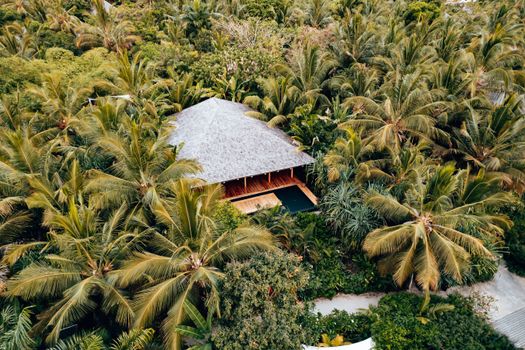
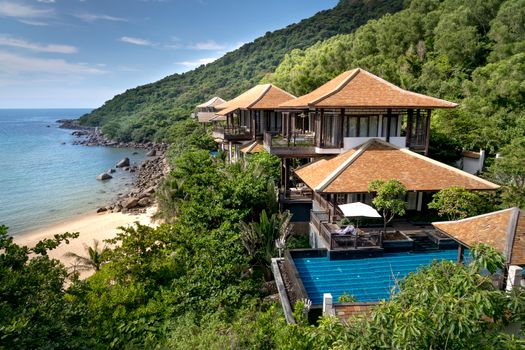
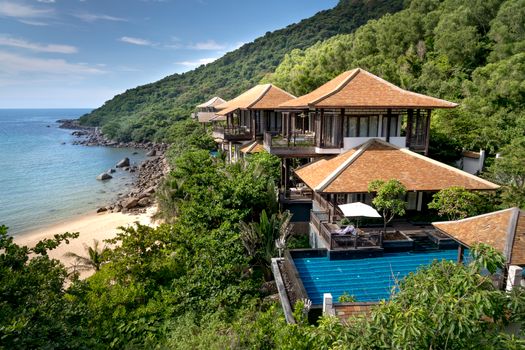
One of the most remarkable aspects of eco-luxury villas is how they blend sustainability with breathtaking design. The aesthetic philosophy is rooted in harmony with nature—open floor plans connect indoor and outdoor living spaces, while natural materials and neutral color palettes mirror the surrounding landscape.
Common design features include:
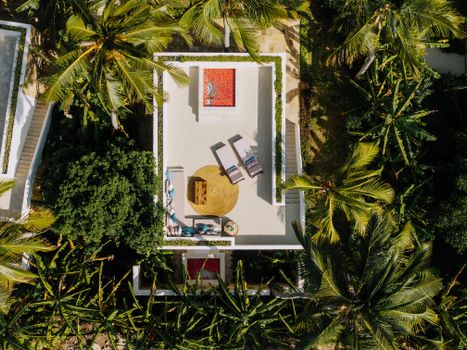
- Floor-to-ceiling windows for panoramic views and natural light. - Infinity pools that use saltwater rather than chlorine. - Locally crafted furnishings and decor made from renewable resources. - Private outdoor lounges, meditation decks, and yoga pavilions set amid lush gardens. - Use of passive cooling and cross-ventilation to reduce reliance on artificial climate control.In many cases, villas are designed by renowned architects who specialize in sustainable development. For example, the award-winning architect Jean-Michel Gathy has incorporated green roofs and rainwater irrigation systems into his designs for luxury villas in the Maldives.
How Eco-Luxury Villas Compare to Traditional Villas
Travelers seeking luxury accommodations in tropical settings now face a choice between traditional and eco-luxury villas. While both offer privacy, comfort, and stunning locations, their approaches to environmental impact are dramatically different.
| Feature | Eco-Luxury Villa | Traditional Luxury Villa |
|---|---|---|
| Building Materials | Locally sourced, renewable, recycled | Imported, often non-renewable |
| Energy Source | Solar, wind, geothermal | Grid electricity, often fossil fuels |
| Water Conservation | Rainwater harvesting, greywater systems | Municipal supply, minimal conservation |
| Waste Management | On-site composting, recycling | Standard disposal, limited recycling |
| Environmental Integration | Blends with landscape, wildlife-friendly | May disrupt local ecosystems |
| Guest Experience | Eco-conscious luxury, wellness focus | Traditional opulence, less environmental focus |
According to Booking.com’s 2023 Sustainable Travel Report, 76% of global travelers say they want to stay in sustainable accommodation at least once in the coming year. This trend suggests that eco-luxury villas are not just a niche, but the future of high-end hospitality.
Experiences Beyond the Villa: Community and Conservation
Eco-luxury villas often go beyond sustainable construction to support local communities and conservation efforts. Guests can participate in meaningful experiences such as:
- Guided tours of nearby nature reserves led by local naturalists. - Farm-to-table dining sourced from local farmers and fishermen. - Volunteering opportunities in sea turtle hatcheries or coral restoration projects. - Workshops with indigenous artisans, supporting traditional crafts and livelihoods.For example, at the Six Senses Laamu in the Maldives, guests can join marine biologists in monitoring local reef health or take part in mangrove reforestation. These immersive offerings enhance the sense of connection to the destination and foster a deeper appreciation of its natural beauty.
A 2022 survey by Virtuoso found that 74% of luxury travelers are more likely to choose a property that gives back to the community. Eco-luxury villas are responding with programs that directly benefit local residents and protect the ecosystems that make these tropical paradises so special.
Conclusion: The Future of Luxury Travel
Eco-luxury villas in tropical destinations represent the best of both worlds: uncompromising comfort and a deep respect for the planet. As more travelers seek experiences that align with their environmental values, these innovative properties are setting new standards for what it means to travel well. Whether you’re planning your next escape or simply dreaming of paradise, consider how your choice of accommodation can make a positive impact—without sacrificing an ounce of luxury.