Timeless Elegance: How Heritage Villas Are Reviving Global Luxury Travel
The world of luxury travel is constantly evolving, blending modern amenities with distinctive experiences. While contemporary villas and futuristic smart homes dominate the headlines, a new trend is quietly captivating discerning travelers: the revival of heritage villas. These storied properties—often centuries old—offer more than just opulent accommodation. They provide a window into the past, immersing guests in the rich history, architecture, and culture of their destinations. From restored palazzos in Italy to colonial mansions in the Caribbean, heritage villas are redefining luxury by merging legacy with lavish comfort.
The Allure of Heritage Villas: Beyond Standard Luxury
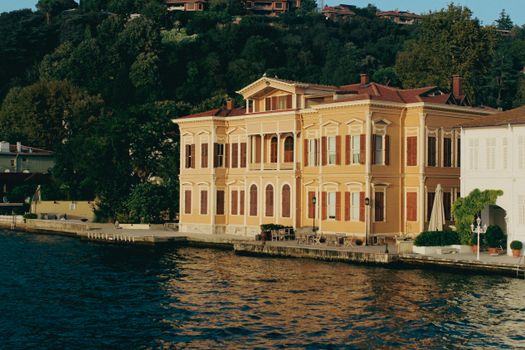
Heritage villas stand apart from their modern counterparts in several ways. They are not just places to stay; they are experiences that connect guests with the soul of a region. Unlike new-build properties that focus on contemporary design and state-of-the-art technology, heritage villas offer:
- Authentic architecture, often featuring hand-carved woodwork, intricate tile mosaics, and period furniture. - Unique stories—many villas have hosted royal families, famous artists, or historical events. - Gardens and grounds that have matured over decades or centuries, often with rare botanical species and original landscaping.According to the Global Heritage Fund, over 1,000 heritage villas worldwide have been restored for luxury accommodation in the last decade. This trend is especially strong in destinations known for their history—such as Tuscany, Rajasthan, the French Riviera, and the Caribbean.
.png)
Signature Features: What Sets Heritage Villas Apart
The distinguishing features of heritage villas go far beyond their age. Guests who choose these properties are seeking a sense of place that is hard to find elsewhere. Some of the most sought-after elements include:
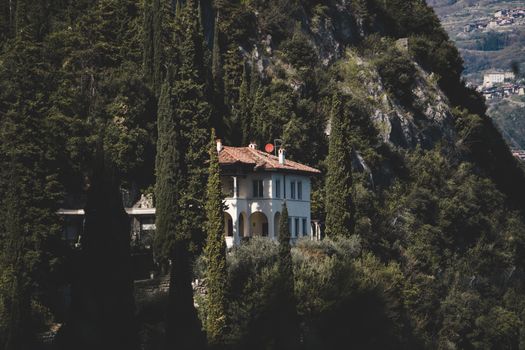
- $1 Vaulted ceilings, frescoed walls, grand staircases, and antique fireplaces. For example, Villa San Michele in Florence features 15th-century cloisters and a facade attributed to Michelangelo himself. - $1 Many villas double as private museums, displaying centuries-old paintings, sculptures, and heirlooms. - $1 It is not uncommon for heritage villas to include spaces once used for worship or scholarly pursuits, offering guests an intimate connection with the past. - $1 The Château de la Messardière in Saint-Tropez boasts 30 acres of gardens designed in the 19th century, while Villa Balbiano on Lake Como features baroque fountains and ancient cypress trees.These unique qualities create a sense of grandeur and intimacy that new-build luxury villas often strive—but struggle—to replicate.
Modern Comforts Meet Old-World Charm
One of the biggest challenges for heritage villa owners is balancing preservation with modern luxury. Guests expect comfort, convenience, and top-tier amenities, but without compromising the property’s historic character. Leading the way are hospitality brands and private owners who have invested millions in sensitive restorations.
For example, the Aman Sveti Stefan in Montenegro transformed a 15th-century fortified island village into a luxury resort, adding underfloor heating, state-of-the-art spas, and discreet Wi-Fi—all while preserving original stone buildings and medieval alleyways. Similarly, in India, the Neemrana Fort Palace offers air-conditioned suites and infinity pools alongside centuries-old battlements.
Here’s a comparison table showing how heritage villas merge the best of both worlds:
| Feature | Heritage Villas | Modern Luxury Villas |
|---|---|---|
| Architecture | Historic, original structures | Contemporary, custom-designed |
| Atmosphere | Cultural, storied, immersive | Trendy, minimalist, high-tech |
| Technology | Discreet integration | Prominent, smart-home systems |
| Gardens | Mature, historic landscaping | Modern, often newly planted |
| Art and Decor | Antiques, original artwork | Modern art, designer furnishings |
Global Hotspots: Where Heritage Villas Shine
Heritage villas are making waves in destinations where history and natural beauty converge. Some of the most celebrated hotspots include:
- $1 Tuscany and the Amalfi Coast are dotted with Renaissance palazzos and baroque estates. According to the Italian National Institute of Statistics, there are over 700 restored historical villas available for private stays. - $1 Rajasthan’s forts and havelis (mansions) have been transformed into luxurious villas, often retaining original murals and courtyards. - $1 The châteaux of Provence and the Loire Valley offer guests a taste of aristocratic life, with many properties dating back to the 17th or 18th centuries. - $1 Plantation houses in Barbados and colonial mansions in Jamaica combine tropical style with old-world elegance.Many heritage villas are also located within UNESCO World Heritage Sites, offering exclusive access to cultural landmarks. For instance, the Parador de Granada in Spain is set within a former 15th-century convent on the grounds of the Alhambra Palace.
Cultural Immersion: Experiences Unique to Heritage Villas
Staying in a heritage villa isn’t just about the accommodation—it’s about the immersive experiences that come with it. Guests can participate in curated activities that bring local history and culture to life:
- $1 Many villa owners arrange guided tours of their estates, revealing hidden passageways, wine cellars, and family archives. - $1 Learn traditional recipes in centuries-old kitchens using produce from historic gardens. - $1 Attend classical music concerts or art exhibitions in original salons and ballrooms. - $1 Some heritage villas host annual festivals, such as grape harvests in Tuscany or Diwali celebrations in Rajasthan, allowing guests to join in local traditions.According to a 2023 survey by Virtuoso, 62% of luxury travelers said that cultural immersion is a primary reason for choosing heritage properties over conventional resorts.
Investment and Preservation: The Future of Heritage Villas
The resurgence of heritage villas is not just a trend—it is a vital aspect of cultural preservation. Many of these properties were at risk of decay before investment from private owners, hotel groups, or government programs. The European Union, for instance, allocated over €600 million between 2014 and 2020 for heritage conservation projects, including the restoration of historic villas.
Owning or staying in a heritage villa thus becomes an act of stewardship. Guests contribute to the ongoing maintenance and revitalization of these cultural treasures, ensuring they endure for future generations.
Industry analysts predict that the heritage villa market will grow by 8% annually through 2028, driven by a demand for authentic, meaningful travel experiences.
Why Heritage Villas Are Redefining Boutique Luxury
In a world saturated with cookie-cutter luxury, heritage villas stand out as sanctuaries of authenticity, artistry, and tradition. They appeal to travelers who crave not just comfort, but a sense of belonging and connection with the past. Whether it’s a honeymoon in a Venetian palazzo, a family reunion in a Provençal château, or a solo retreat in a Mughal-era haveli, heritage villas offer a kind of luxury that money alone cannot buy: the experience of living history.