The Rise of Sustainable Luxury Villas: Eco-Friendly Escapes Redefining High-End Travel
Travelers seeking luxury experiences have long gravitated toward exquisite villas set in the world’s most stunning destinations. But a new trend is reshaping the industry: the demand for sustainable luxury villas. Today’s discerning guests are not simply looking for opulence—they expect their tropical escapes and boutique stays to respect and preserve the environment. From innovative green architecture to zero-waste operations and locally sourced interiors, sustainable luxury villas are setting new standards in eco-conscious travel.
This article explores how the intersection of sustainability and luxury is transforming villa design, guest experiences, and the global travel landscape. We’ll look at examples from around the world, highlight the key features that set these properties apart, and offer insights into the future of responsible high-end travel.
Eco-Conscious Design: Building Villas That Blend with Nature
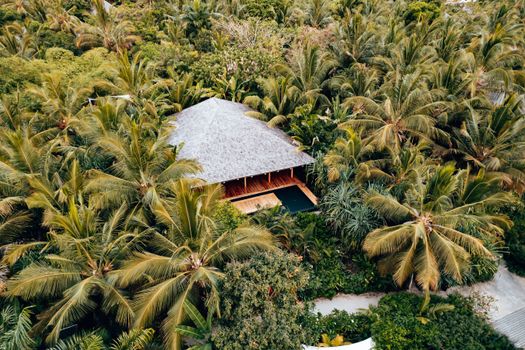
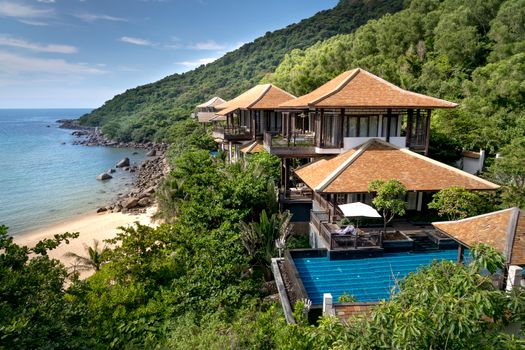
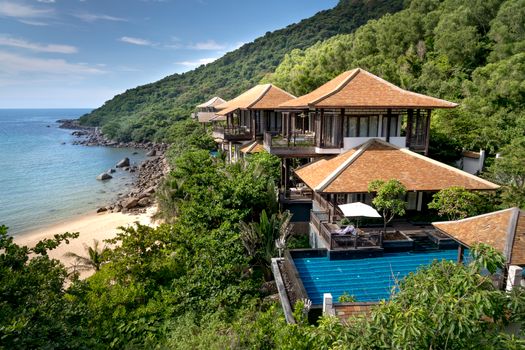
Sustainable luxury villas begin with thoughtful architecture and construction practices designed to minimize environmental impact. Instead of imposing on the landscape, these properties are crafted to harmonize with their natural surroundings.
.png)
For example, the Six Senses Laamu in the Maldives uses sustainably harvested woods and natural ventilation to reduce reliance on air conditioning. In Costa Rica, the Kura Design Villas feature green roofs and solar panels, blending seamlessly into the rainforest while generating clean energy.
Key elements of sustainable villa design include:
- Use of locally sourced, renewable building materials such as bamboo, reclaimed wood, and natural stone - Passive cooling systems, such as cross-ventilation and shaded verandas, that reduce energy demand - Rainwater harvesting and gray water recycling to conserve precious resources - Minimal land disturbance and careful preservation of native plants and wildlife habitatsGlobally, the World Green Building Council estimates that green buildings can reduce energy consumption by up to 50% compared to conventional structures. This not only benefits the planet but also creates tranquil, immersive environments for guests.
Luxury Goes Green: Eco-Friendly Amenities and Experiences
Sustainable luxury villas go beyond architecture—they offer amenities and curated experiences that reflect a commitment to environmental stewardship. Guests can indulge in the finest comforts while knowing their stay supports responsible practices.
Notable eco-friendly amenities include:
- Organic linens and toiletries free from harmful chemicals - On-site organic gardens supplying fresh produce for villa kitchens - Saltwater infinity pools that use natural filtration methods - Electric vehicle charging stations and complimentary bicycles for local explorationAdditionally, many properties provide immersive experiences that educate and inspire. At Song Saa Private Island in Cambodia, guests can join marine conservation tours or participate in coral planting. In Bali, Bambu Indah hosts guided walks through permaculture gardens and river clean-ups.
The impact is tangible: A 2023 Booking.com survey found that 76% of global travelers want to make more sustainable travel choices, and 43% are willing to pay more for eco-friendly stays. Villas that cater to this demand are seeing higher occupancy rates among environmentally conscious luxury travelers.
Designing with Local Culture and Community in Mind
The best sustainable luxury villas celebrate their region’s heritage and contribute positively to local communities. From interior design to staffing, these properties foster meaningful connections between guests and their destination.
For example, interiors are often curated with locally crafted furniture, textiles, and artworks, providing authentic style while supporting regional artisans. In Thailand, Soneva Kiri’s villas are adorned with handwoven silks and recycled teakwood, all sourced from nearby villages.
Employment practices are also critical. Sustainable villas tend to prioritize hiring locally, offering training and fair wages. In Zanzibar, Zuri Zanzibar’s staff is more than 90% Tanzanian, and the property invests in nearby schools and clean water initiatives.
Such efforts not only enrich guest experiences but also ensure the long-term wellbeing of the host destination. According to the Global Sustainable Tourism Council, every $100 spent by travelers in a developing country, only $5 stays in the local economy—sustainable villas are working to change that equation.
Comparing Sustainable Luxury Villas: What Sets Them Apart?
To better understand the unique offerings of sustainable luxury villas, let’s compare some of the world’s leading eco-friendly properties across several criteria:
| Villa Name | Location | Key Sustainability Features | Starting Nightly Rate (USD) |
|---|---|---|---|
| Six Senses Laamu | Maldives | Solar energy, zero-waste kitchens, marine conservation | $1,200 |
| Kura Design Villas | Costa Rica | Green roofs, solar panels, wildlife preservation programs | $950 |
| Song Saa Private Island | Cambodia | Reclaimed materials, coral restoration, community investment | $1,400 |
| Zuri Zanzibar | Tanzania | Water-efficient landscaping, local hiring, social projects | $900 |
| Bambu Indah | Bali, Indonesia | Bamboo construction, permaculture, plastic-free operation | $650 |
These properties demonstrate that sustainability and luxury are not mutually exclusive. Instead, they represent a new benchmark for what high-end hospitality can achieve.
The Future of Sustainable Luxury Villas: Trends and Innovations
As the demand for sustainable travel continues to grow, the luxury villa industry is evolving rapidly. Several emerging trends are shaping the future of eco-friendly escapes:
1. Net-Zero Villas: Properties aiming for net-zero carbon emissions through renewable energy, efficient operations, and carbon offset programs. 2. Regenerative Travel: Villas that go beyond minimizing impact, actively restoring ecosystems and supporting biodiversity. 3. Tech-Driven Sustainability: Integration of smart home systems to optimize energy use, water conservation, and waste management. 4. Guest Participation: Opportunities for travelers to engage in conservation projects, farm-to-table cooking, and local philanthropy. 5. Transparent Reporting: Detailed sustainability reports and third-party certifications, such as LEED or EarthCheck, providing accountability and assurance.Already, nearly 70% of new luxury hotel and villa projects in regions like Southeast Asia and the Caribbean incorporate significant green features, according to JLL’s 2023 Global Real Estate Sustainability Report. With travelers increasingly factoring sustainability into their booking decisions, eco-friendly villas are set to become the gold standard for high-end escapes.
Final Thoughts: Embracing Sustainable Luxury for a Better World
Sustainable luxury villas are redefining what it means to travel in style. These properties prove that eco-consciousness, local authenticity, and world-class comfort can coexist—offering guests not just a place to stay, but a way to positively impact the planet and its people.
As the luxury travel market evolves, choosing sustainable villas is no longer just a feel-good option—it’s a mark of true sophistication. Whether it’s a bamboo hideaway in Bali or a solar-powered sanctuary in the Maldives, the next generation of luxury escapes is as inspiring as it is indulgent.