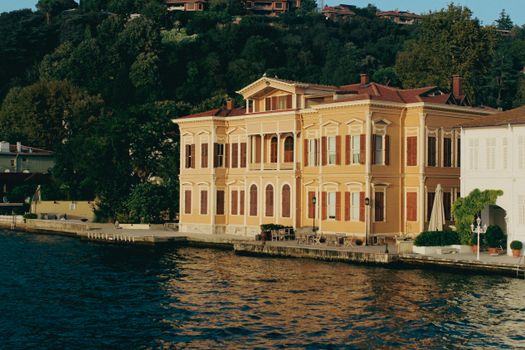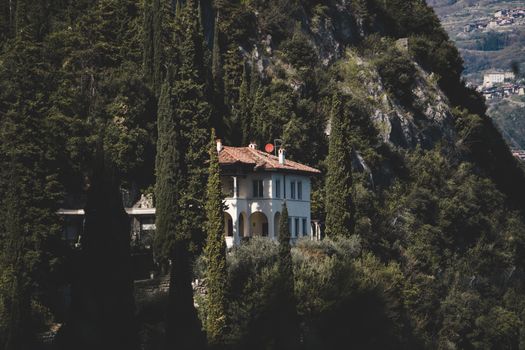
The Rise of Historic Villas: Experiencing Luxury in Timeless Heritage Homes
Luxury travel is constantly evolving, with discerning travelers seeking not just opulence, but memorable stories and authentic experiences. While modern tropical escapes and high-tech villas dazzle with innovation, a growing number of jet-setters are turning their gaze to the past. Historic villas—grand estates, palatial homes, and centuries-old retreats—are now the epitome of luxury, offering guests the chance to step into a world where heritage, culture, and refined comfort meet. This trend is more than nostalgia; it’s about connecting with history, art, and local traditions in unique, unforgettable ways. Let’s explore why historic villas are capturing the imagination of travelers worldwide, and how they deliver a distinct brand of luxury.
What Makes a Villa "Historic"? Defining Heritage Luxury
A historic villa is more than an old building—it’s a living piece of history. These properties are often centuries old, with origins tracing back to aristocratic families, artists, or notable figures. Many are protected landmarks, restored with meticulous attention to original details: frescoed ceilings, antique furnishings, marble staircases, and ornate gardens.
The hallmark of a true heritage villa is the preservation of its character. Unlike contemporary luxury homes, these estates carry the patina of time—think Tuscan farmhouses from the 1700s, colonial mansions in the Caribbean, or Rajasthani palaces in India. According to the World Monuments Fund, there are over 1,100 UNESCO World Heritage sites globally, many of which include historic homes now available for private stays or exclusive events.
.png)
What sets these villas apart is their unique blend of authenticity and comfort. Restoration efforts typically integrate state-of-the-art amenities (Wi-Fi, climate control, modern baths) while maintaining period architecture and décor. This delivers an ambiance that cannot be replicated in new builds—each creaking floorboard and hand-painted tile tells a story.
Global Hotspots: Where to Find the World’s Most Iconic Historic Villas
From Europe’s rolling hills to Southeast Asia’s spice-scented coastlines, historic villas are scattered across the globe. Here are some of the most sought-after destinations:
- Tuscany, Italy: Home to Renaissance-era villas set amidst vineyards and olive groves. The Villa di Maiano, for example, dates back to the 15th century and has hosted royalty and celebrities alike. - Provence, France: Lavender-scented air drifts through châteaux with origins in the 1600s, like Domaine de Manville, now transformed into a lavish retreat. - Rajasthan, India: Ornate havelis and palaces such as Samode Palace, where guests can sleep in rooms decorated with original 19th-century frescoes. - Caribbean Islands: Colonial sugar estates in Barbados and Jamaica, including the 18th-century Great Houses, offer a blend of tropical charm and grandeur. - Bali, Indonesia: Dutch colonial villas from the early 20th century, adorned with teak and volcanic stone, now serve as private sanctuaries.According to a 2022 report by Luxury Travel Advisor, bookings for heritage properties worldwide have grown by 26% since 2019, reflecting a strong appetite for culturally rich experiences.
Living History: Unique Experiences Only Historic Villas Provide
Staying in a historic villa is about more than plush beds and panoramic views—it’s a journey through time. These properties offer hands-on experiences that immerse guests in local traditions, art, and culinary heritage.
- Private art tours: Many villas have their own art collections, featuring Renaissance paintings, sculpture gardens, or ancient mosaics. Some offer guided tours or the opportunity to meet local artists. - Cooking classes with a twist: Learn to make regional dishes in centuries-old kitchens, often using family recipes passed down through generations. - Historical reenactments and themed dinners: Imagine a Venetian masquerade ball or a medieval banquet in an authentic dining hall. - Cultural workshops: From calligraphy in a Moroccan riad to wine blending in a Bordeaux château, activities are tailored to the villa’s legacy. - Gardens and grounds: Explore labyrinthine gardens designed by famed landscape architects, complete with fountains, orangeries, and secret pavilions.A survey by Virtuoso found that 39% of luxury travelers rate "authentic local experiences" as their top priority—historic villas deliver this in spades.
Comparing Historic Villas to Modern Luxury Villas: What’s the Difference?
To truly appreciate the appeal of historic villas, it’s helpful to see how they stack up against their modern counterparts.
| Feature | Historic Villas | Modern Luxury Villas |
|---|---|---|
| Architecture & Décor | Period architecture, antique furnishings, original art, heritage gardens | Contemporary design, minimalist interiors, cutting-edge materials |
| Location | Often in cultural heartlands or rural estates with historical significance | Typically in trendy destinations (beachfronts, urban hotspots) |
| Experiences | Immersive cultural activities, historical tours, themed events | Spa treatments, tech-driven amenities, bespoke concierge services |
| Atmosphere | Romantic, storied, and atmospheric; "living history" | Sleek, modern, sometimes futuristic |
| Price Range (per night) | $850 – $10,000+ | $1,500 – $15,000+ |
While both offer privacy and exclusivity, the choice between historic and modern villas often comes down to the type of experience you seek: timeless charm or contemporary luxury.
Preserving the Past: The Role of Conservation in Heritage Villa Stays
One of the most compelling aspects of staying in a historic villa is knowing your visit supports preservation efforts. Many villa owners partner with local heritage organizations or participate in sustainable tourism initiatives to maintain these architectural gems for future generations.
- Adaptive reuse: Historic villas are often restored using traditional materials and techniques, providing employment for local artisans and craftsmen. According to the International Council on Monuments and Sites (ICOMOS), adaptive reuse is key to keeping heritage sites vibrant and economically viable. - Eco-conscious practices: Many heritage villas have adopted solar power, water recycling, and organic gardening to minimize their environmental footprint. - Community engagement: Profits from villa stays often fund local schools, museums, or cultural festivals, helping to sustain the communities that breathe life into these properties.By choosing a historic villa, guests not only enjoy lavish surroundings but also play a part in safeguarding global heritage.
Booking Tips: How to Choose the Perfect Historic Villa
Selecting the right historic villa requires more than browsing pretty pictures. Here’s what to consider for an unforgettable stay:
1. $1: Look for properties with documented histories—many villas have fascinating tales involving artists, statesmen, or pivotal historical events. 2. $1: Read reviews and check for credible restoration awards or partnerships with heritage organizations. 3. $1: While authenticity is key, comfort matters. Ensure the villa offers modern essentials (air conditioning, Wi-Fi, ensuite baths) without sacrificing atmosphere. 4. $1: Inquire about unique activities—private tours, cooking classes, or curated local excursions that highlight the villa’s legacy. 5. $1: Some heritage properties are in remote areas or have limited accessibility due to preservation rules. Confirm transport options and accessibility if you have mobility needs.According to Airbnb Luxe, listings for historic stays have increased 40% since 2020, signaling that more travelers are seeking these one-of-a-kind escapes.
Timeless Luxury: Why Historic Villas Are the Ultimate Heritage Escape
Historic villas offer something rare in luxury travel: a sense of place and continuity. By immersing yourself in a property with centuries of stories, you connect with culture, art, and local traditions in ways that no modern hotel can replicate. From sipping wine under 300-year-old frescoes to wandering through gardens designed by visionary architects, every moment becomes part of a living narrative.
The surge in demand for heritage villas proves a key truth: luxury today is as much about meaning and memory as it is about indulgence. For those seeking a getaway that transcends the ordinary, a historic villa is not just a place to stay—it’s a journey through time.